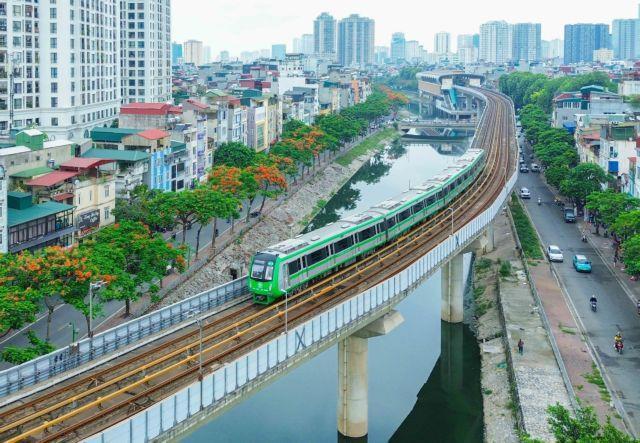








Việt Nam’s revised national master plan aims to new growth hubs, strengthen regional connectivity and accelerate technology-driven development as the country targets annual economic growth of at least 10 per cent in the coming years.
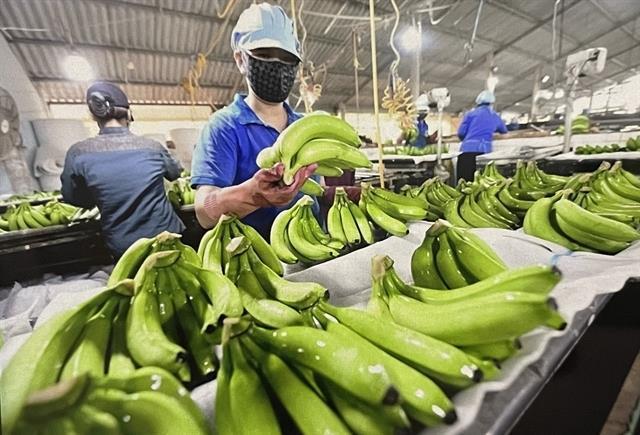
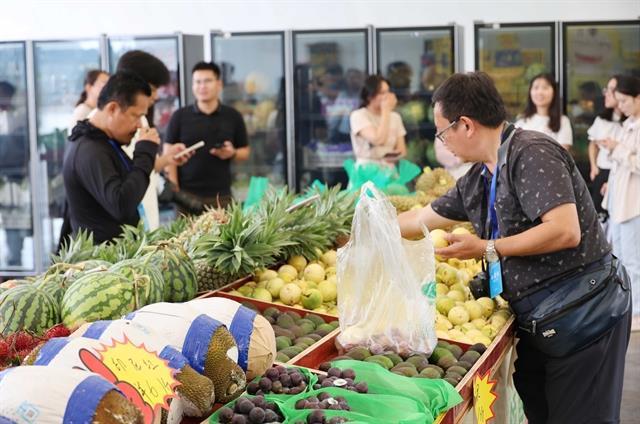
Việt Nam’s fruit and vegetable exports posted robust growth in the early months of this year, driven by improved compliance with standard requirements to capitalise on strong global demand.
As savings rate of Vietnamese people is very high at up to 37 per cent of GDP, experts said it is a potential available capital resource that should be exploited to promote economic growth.
2026 would mark the start of a new development phase for the country, making exports a critical driver of growth while also requiring a shift toward a more efficient and sustainable growth model.
Việt Nam''s ''Đổi Mới 2.0'' reforms will boost GDP growth to 7.2 per cent annually through 2031, but ambitious productivity targets and trade vulnerabilities pose challenges to the Government''s 10 per cent goal, according to BMI.
Top leader says 2026 will mark the start of a new development phase under Việt Nam''s latest five-year plan, though acknowledges that sustaining double-digit economic growth will be challenging as traditional drivers lose momentum.
Việt Nam’s fruit and vegetable exports are set to reach $10 billion in 2026, driven by durian, coconuts and bananas, with sustainable growth and global demand boosting the sector.
The Vietnam Export Promotion Forum 2025, scheduled for November 26 in Hà Nội, will be hosted by the Ministry of Industry and Trade (MoIT) to provide strategic directions for exporters as they navigate a rapidly changing global landscape.
The National Assembly has approved a development plan that aims to deliver double-digit economic growth, expand manufacturing, and push ahead with institutional reforms.
Việt Nam’s fruit and vegetable exports reached US$1.4 billion in September, setting a historic monthly high on strong durian shipments and rising demand for processed products, customs statistics show.
As technical barriers become increasingly strict, proactive adaptation from growing areas to processing, logistics, are a vital condition for Vietnamese agricultural products to firmly stand out on the global playing field.